Current news
Second steering committee meeting for phase II of “Strengthening the response to gender-based violence in Mongolia” (2025–2030) convened
2026-05-15 Админ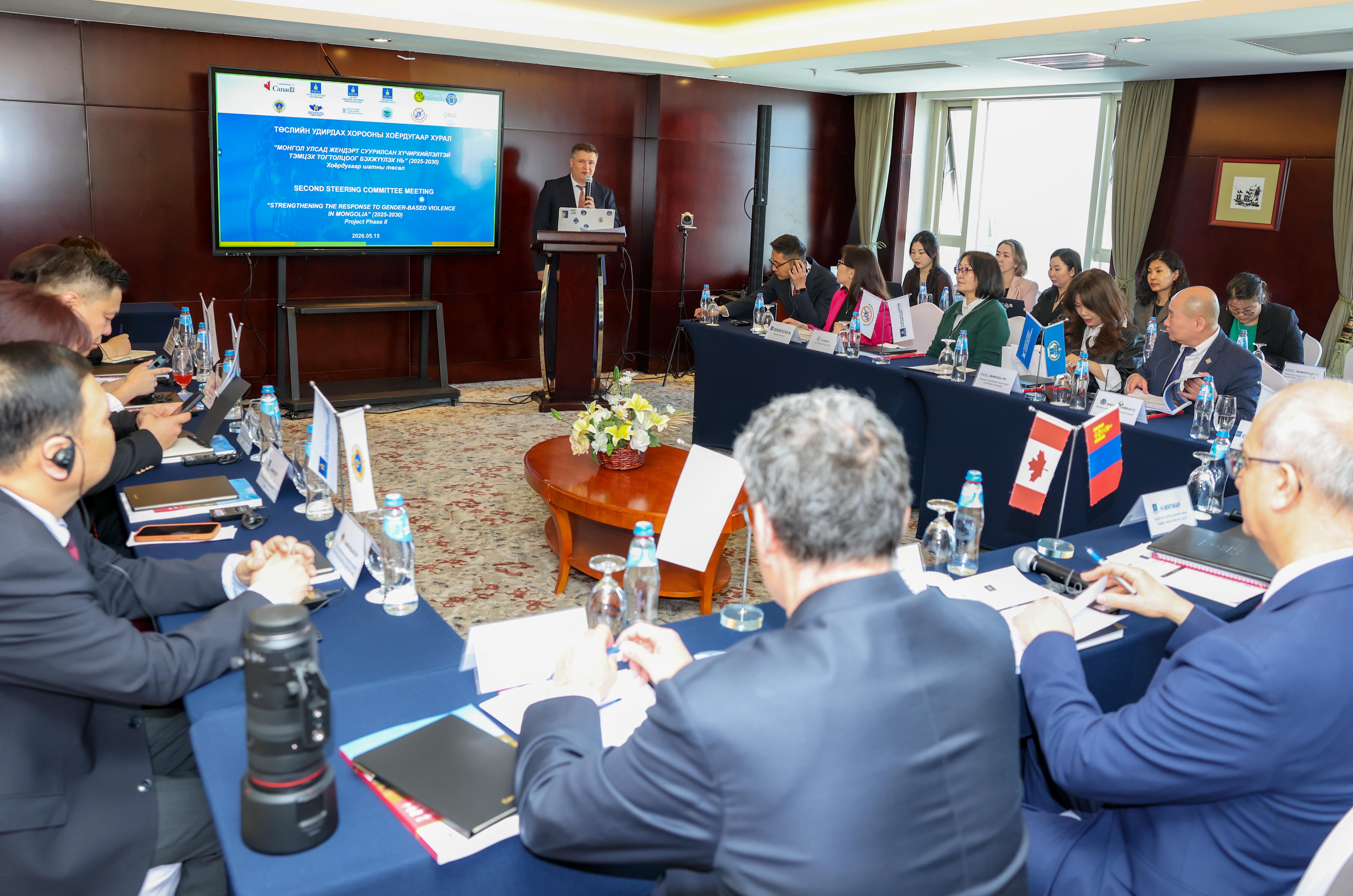
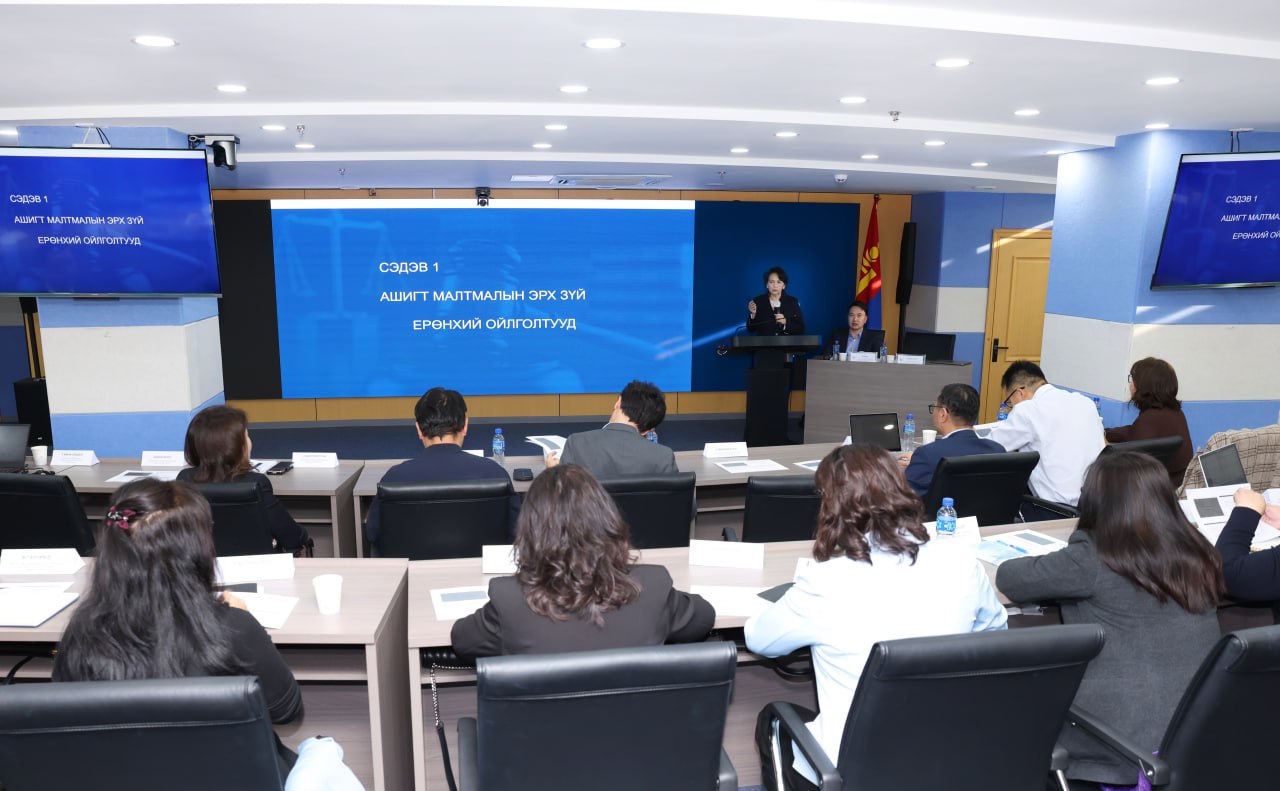
The second meeting of the Steering Committee for the Government of Canada-funded project, “Strengthening the response to gender-based violence in Mongolia (2025–2030),” took place on May 15, 2026. The committee reviewed the project's implementation progress, the outcomes of the first year, and the operational plan for the second year.
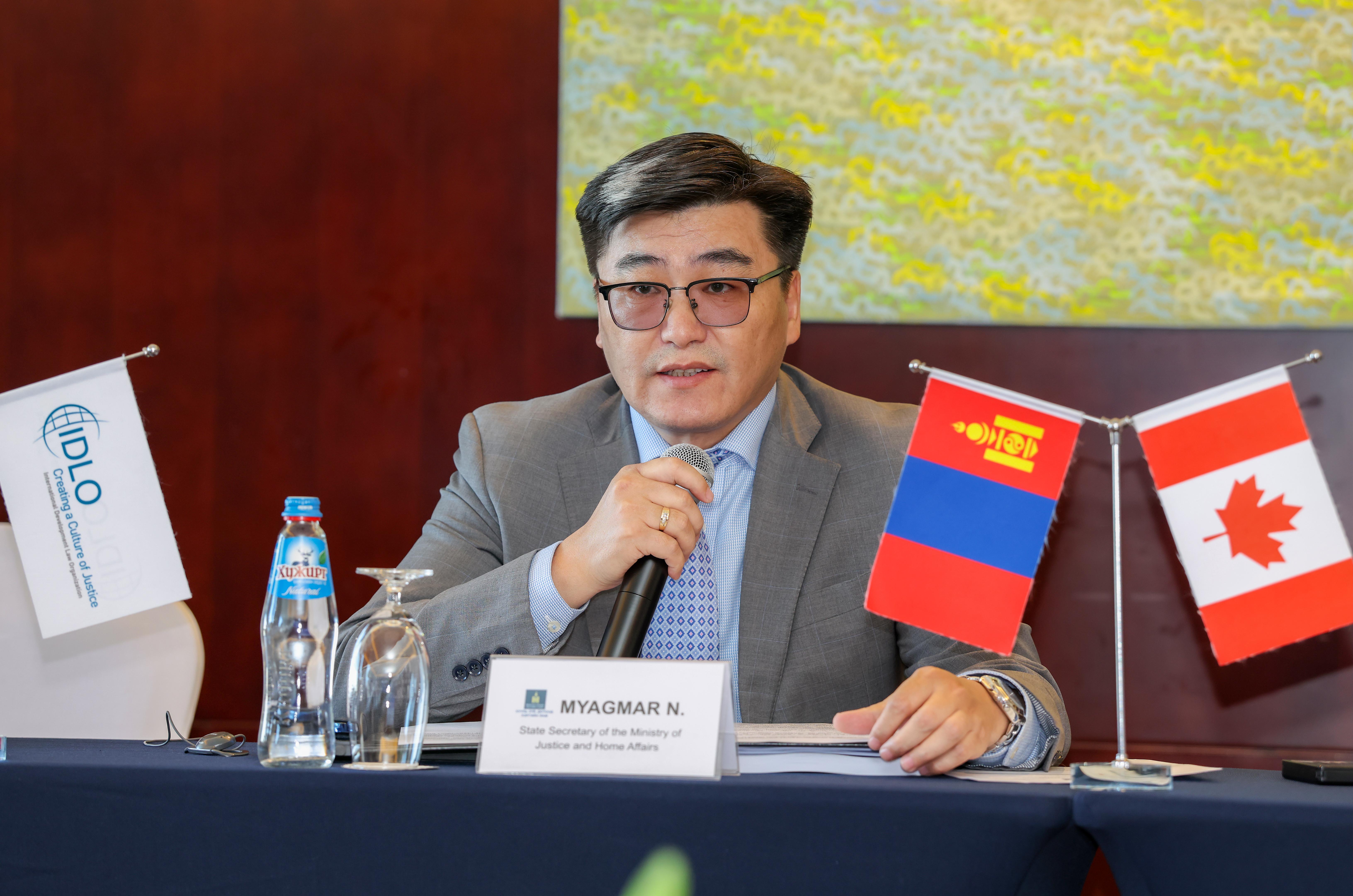
The meeting was opened with remarks by Charles Bolland, Country manager of the International Law Development Organization (IDLO); N. Myagmar, State Secretary of the Ministry of Justice and Home Affairs; and Jean-Stéphane Couture, Head of Development at the Embassy of Canada.
N. Myagmar, Chair of the meeting and State Secretary of the Ministry of Justice and Home Affairs, emphasized the project's focus on strengthening the domestic violence response system, intensifying inter-sectoral collaboration, increasing the capacity of law enforcement and judicial authorities, and institutionalizing a victim-centered approach. He further noted the vital importance of cooperation between government agencies, civil society, and international organizations in achieving project results.
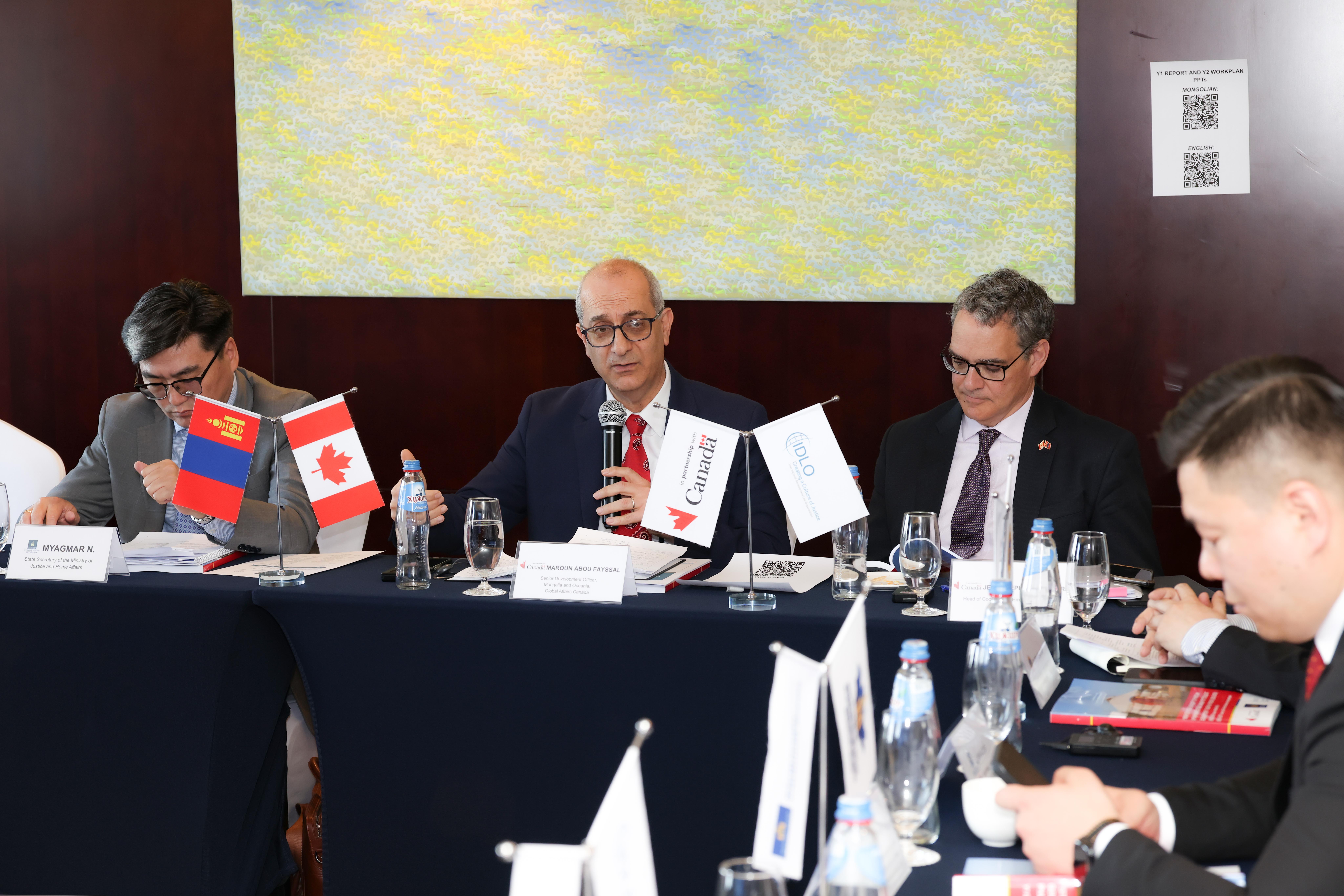
Following the opening, co-chair Maroun Abou Fayssal, Senior Specialist for the Mongolia and Pacific Islands Development Program at Global Affairs Canada, approved the minutes of the first steering committee meeting and the agenda, and introduced the new composition of the Steering Committee.
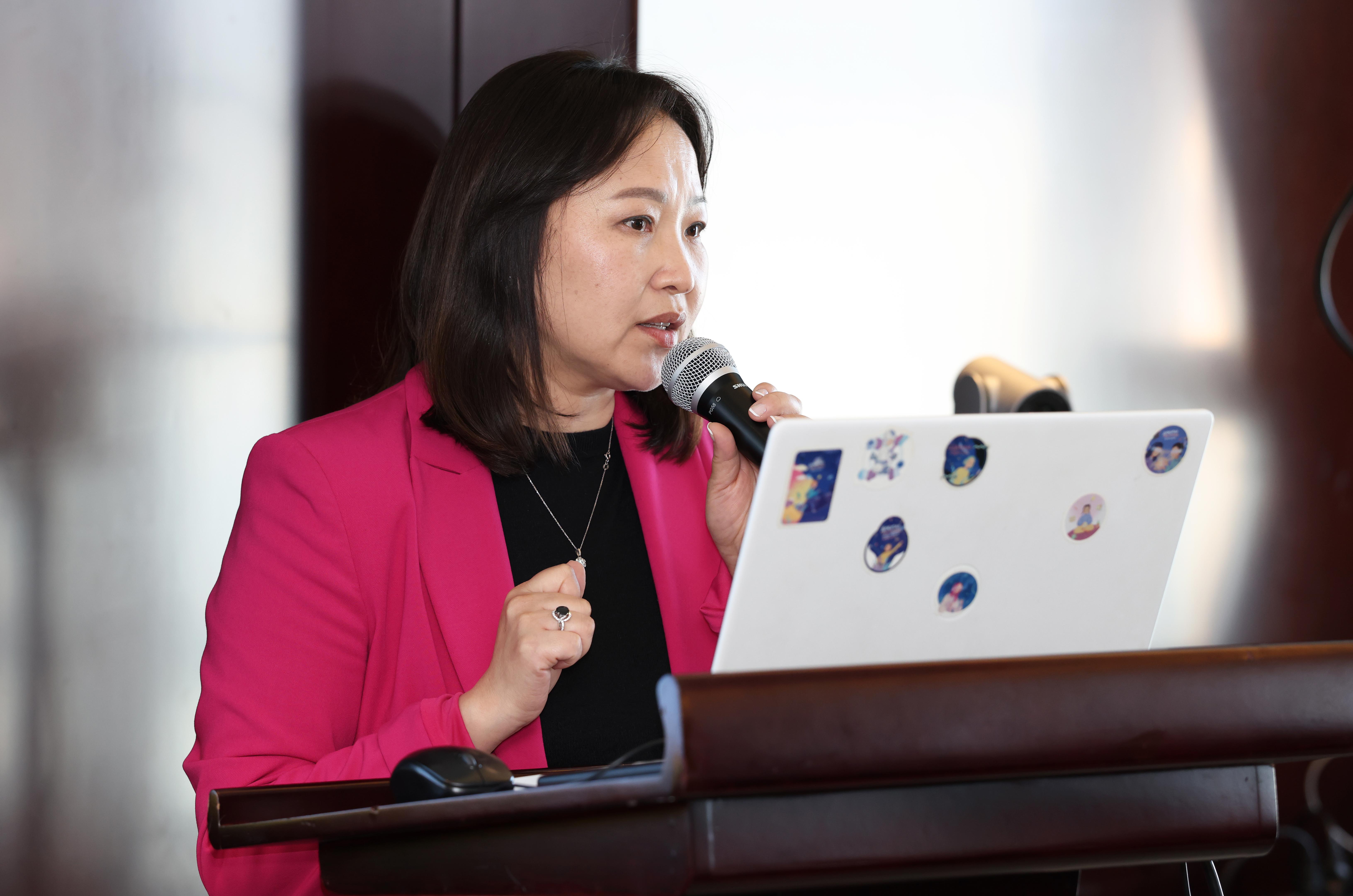
At the onset of the presentation, IDLO Country manager Charles Bolland and Program manager N. Odontuya provided information on the implementation and activities of the first phase. They also presented the sequential progress of training sessions, international academic conferences, and meetings jointly organized by the Supreme Court, the Judicial Academy and IDLO.
During the session, D. Erdenechimeg, Director of the Judicial Academy, highlighted several phased initiatives being implemented within the project framework regarding the establishment of specialized Family and Juvenile Courts. She reported that following the international academic conference on “Specialized Court Systems: Children’s Interests and Family” held in June 2025, a 40-hour "Training of Trainers" program for family and juvenile cases was organized, qualifying 13 judge-trainers. She noted that these trainers will further disseminate knowledge to 250 judges and 55 administrative staff members.
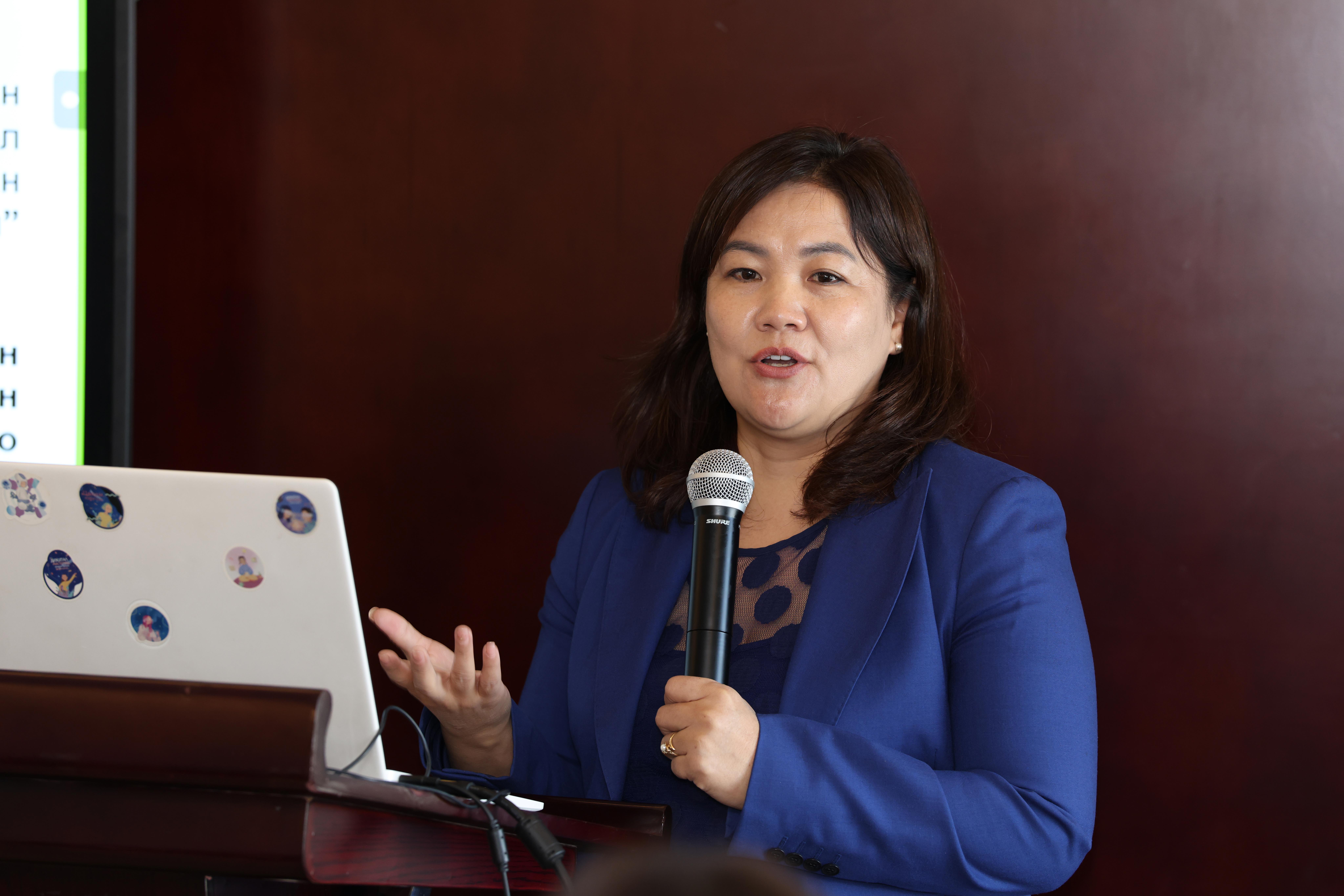
Subsequently, O. Oyunzul, Acting Head of the Private Law Department of the Legal Policy Directorate at the Ministry of Justice and Home Affairs, delivered a presentation on the draft Law on the Adjudication of Family Cases in Court.
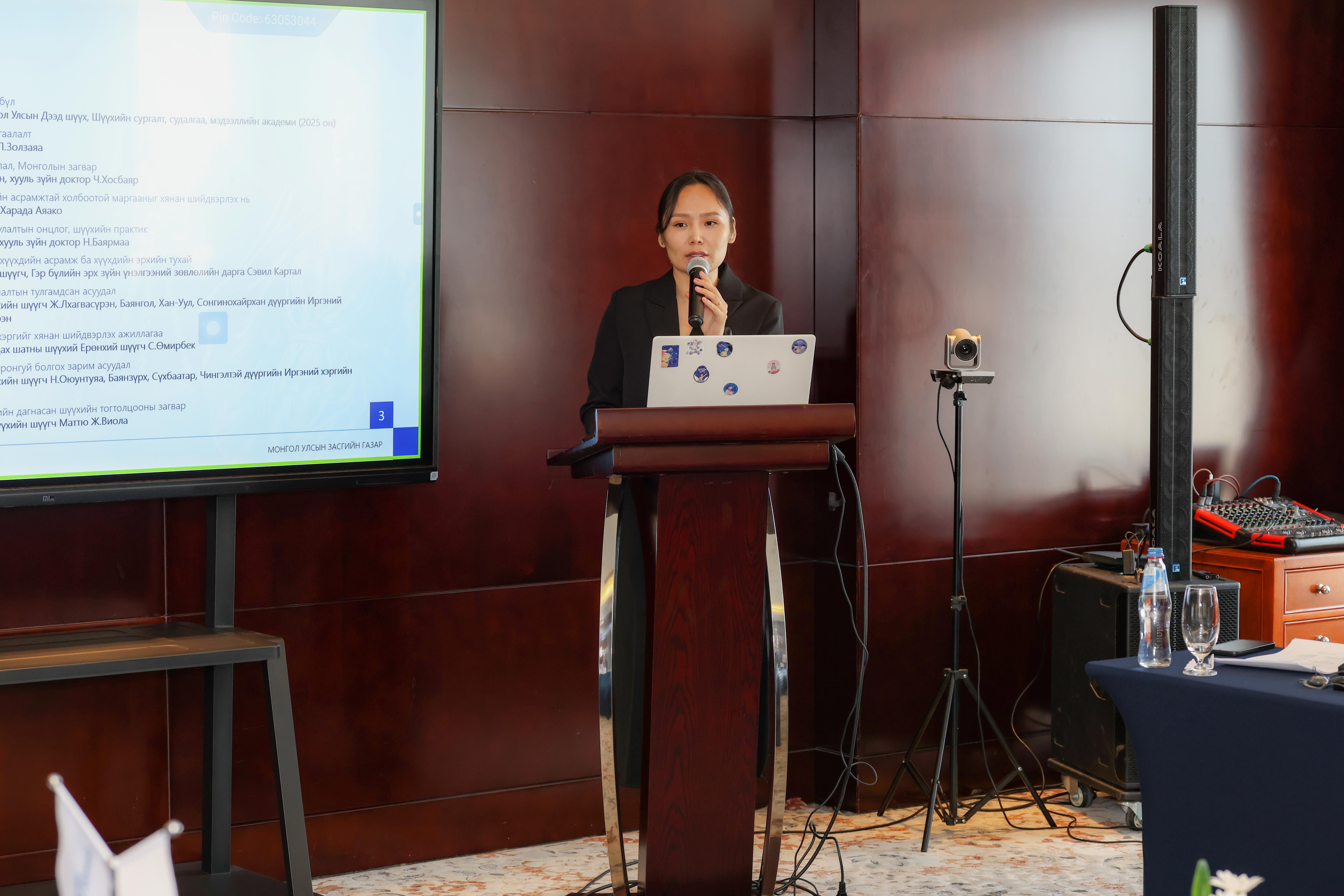
Justice N. Bayarmaa, Presiding Justice of the Civil Chamber of the Supreme Court, emphasized that the establishment of specialized Family and Juvenile Courts is a crucial step toward protecting human rights and ensuring that the voices of children and vulnerable social groups are heard. She stated that this system would succeed not through judicial efforts alone, but through collaboration between state and civil society organizations.
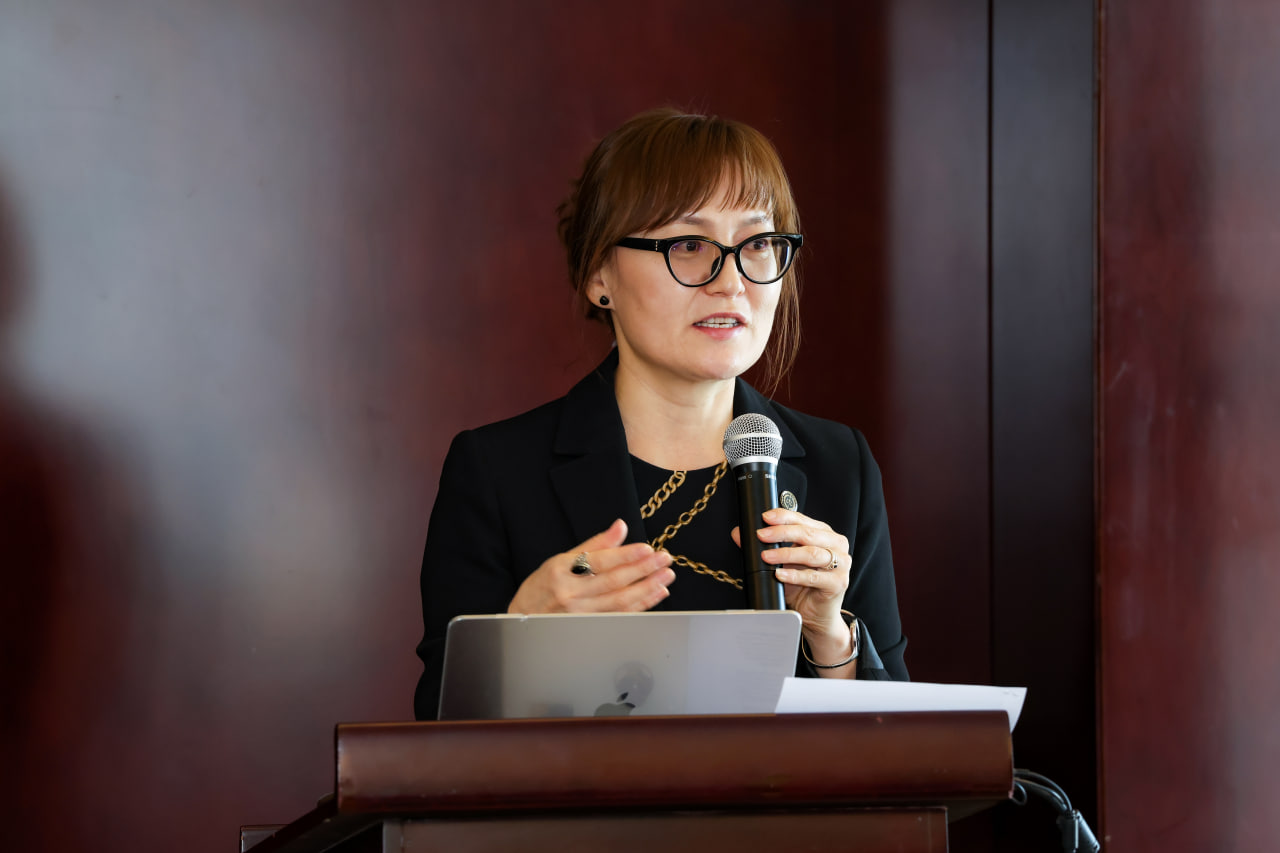
Furthermore, it was noted that key future objectives include aligning the child protection system more closely with the judiciary, developing accessibility in rural areas, and strengthening inter-sectoral cooperation. O. Janchivnyambuu, Member of the Judicial General Council, exchanged views on policy recommendations and the potential for domesticating best practices from Canada’s Unified Family Courts.
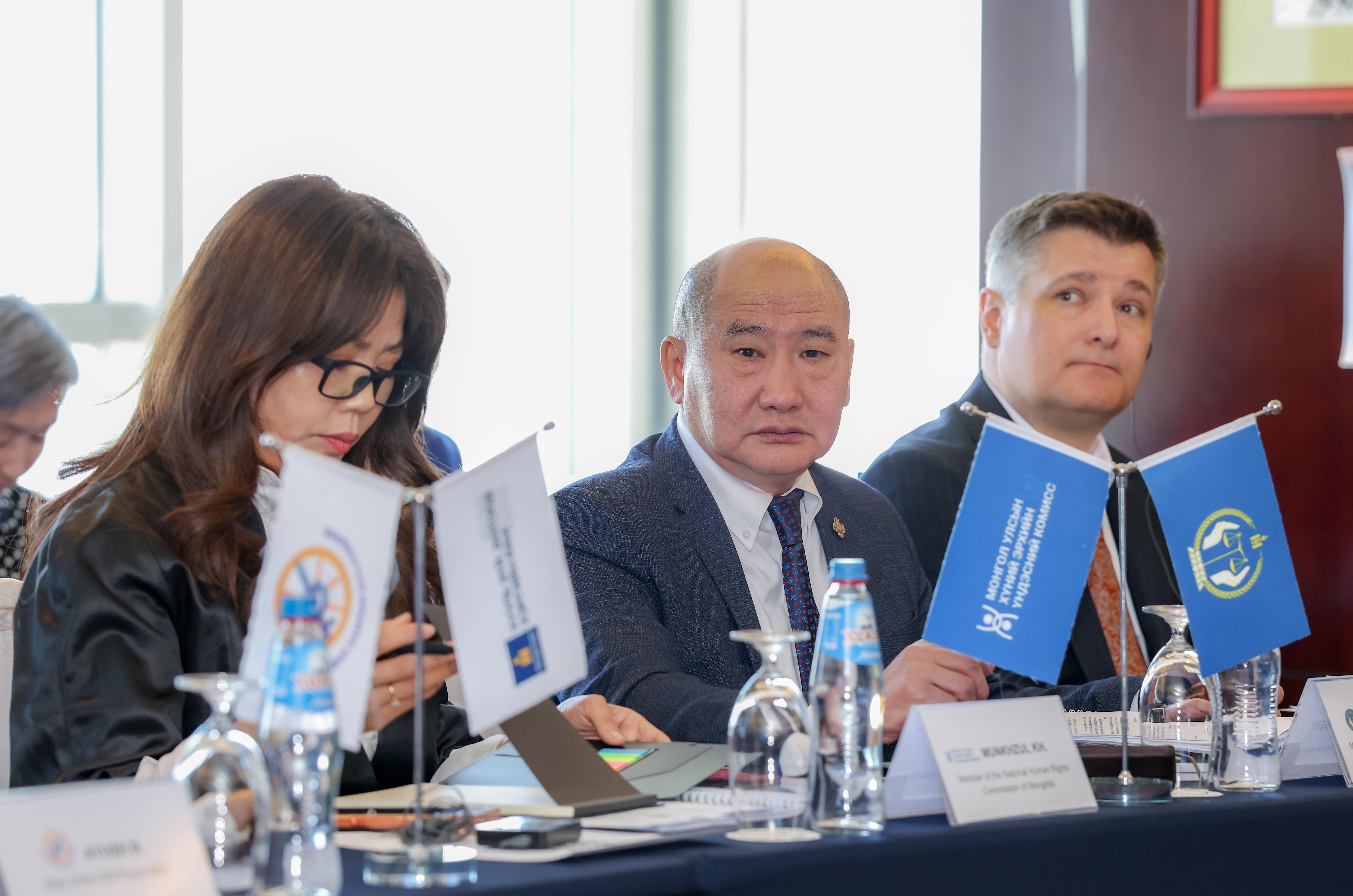
B. Ayush, Chair of the Board of the "Civil Society Joint Force Partnership" NGO, presented the outcomes of civil society forums, training sessions, and seminars aimed at raising public awareness. Also S. Agizul, IDLO Project Coordinator, presented the operational plan for the second year, followed by an exchange of views among participants regarding future cooperation.
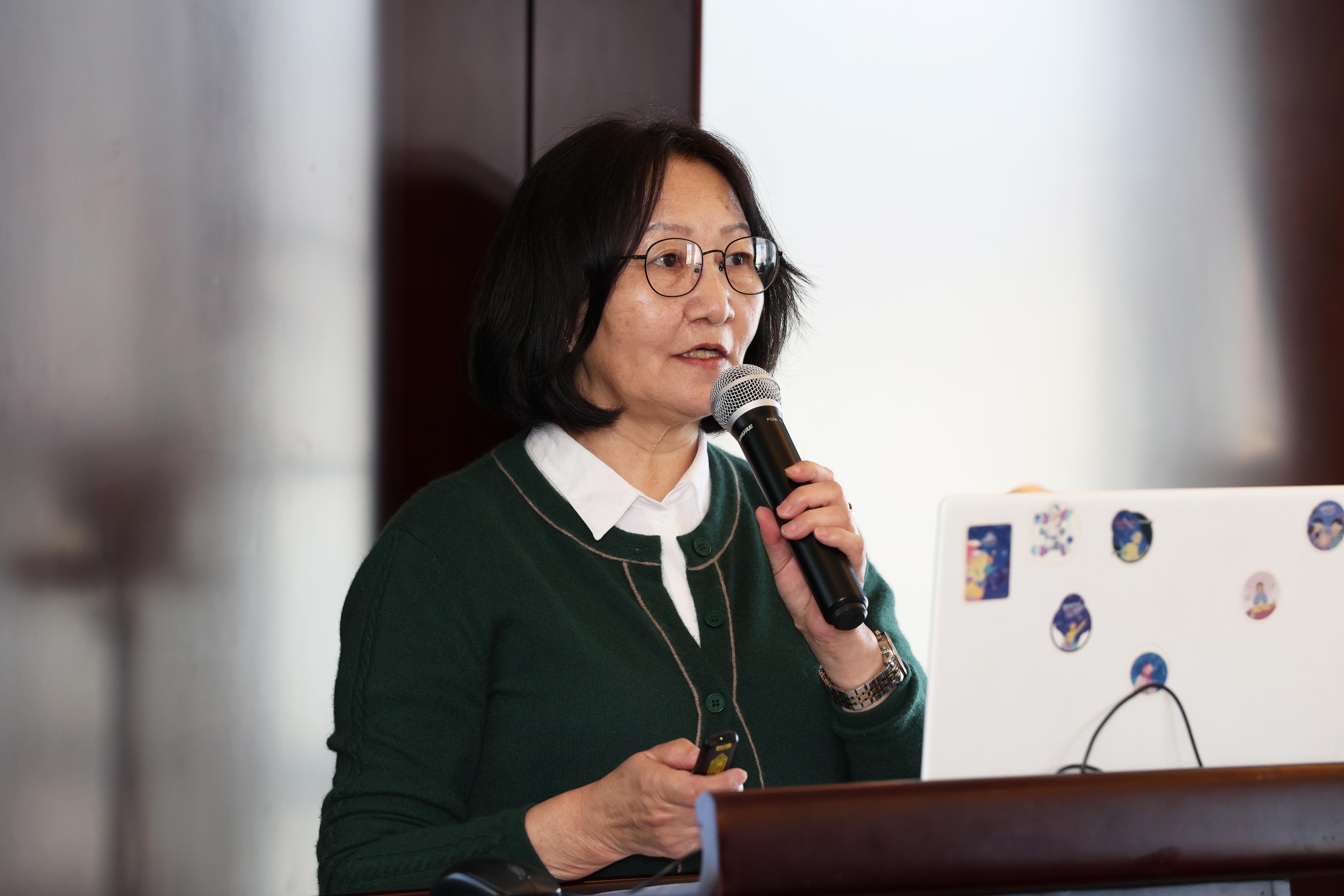
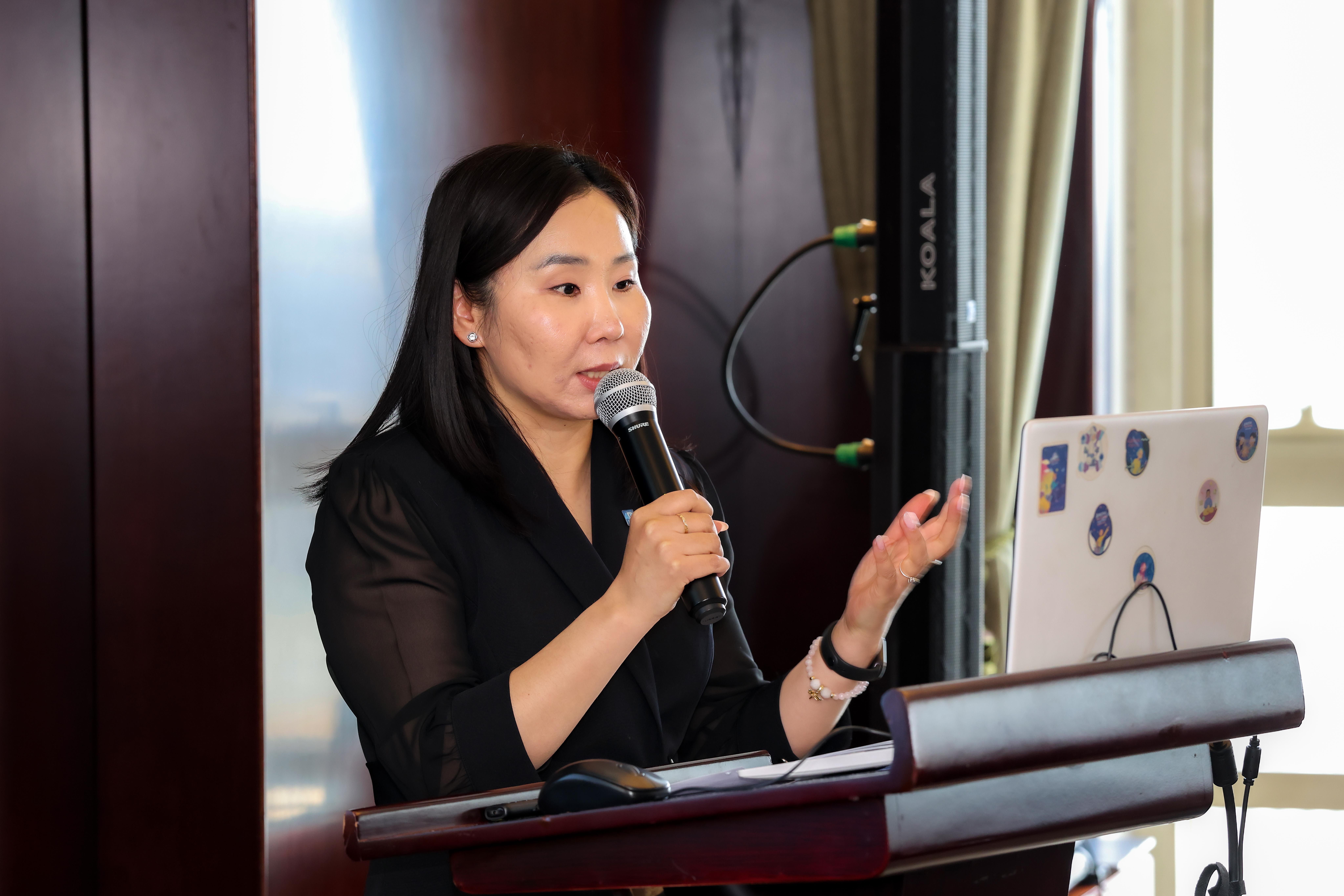
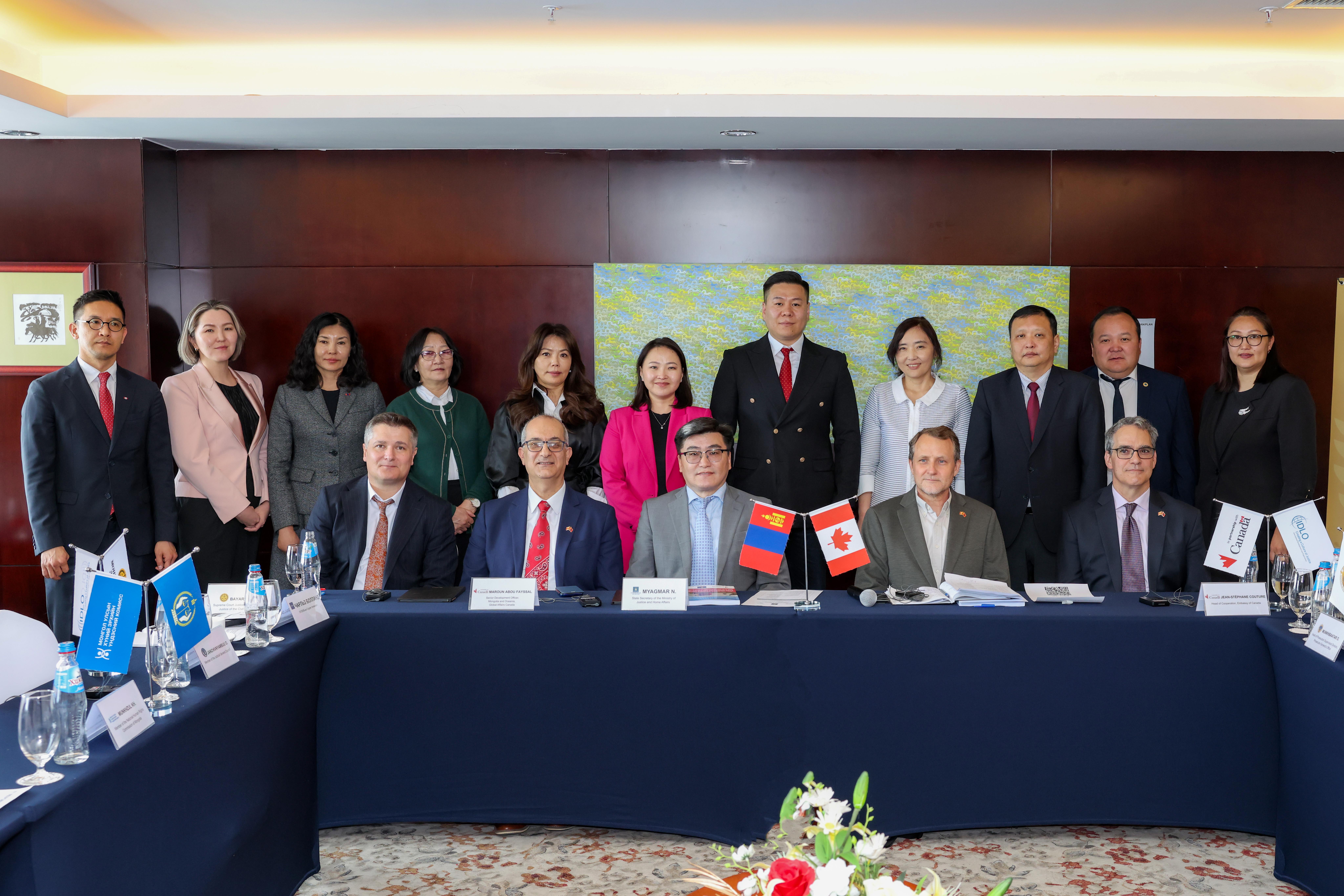
The Steering Committee is comprised of representatives from the Judicial General Council, the Supreme Court, the Judicial Academy, Global Affairs Canada, the Ministry of Justice and Home Affairs, the Ministry of Family, Labor, and Social Protection, the Office of the Prosecutor General, the Mongolian Bar Association, the National Human Rights Commission of Mongolia and civil society organizations.
INFORMATION CENTER