Current news
Discussion Held on Research for Strengthening Capacity to Combat Environmental Crimes
2026-03-19 Админ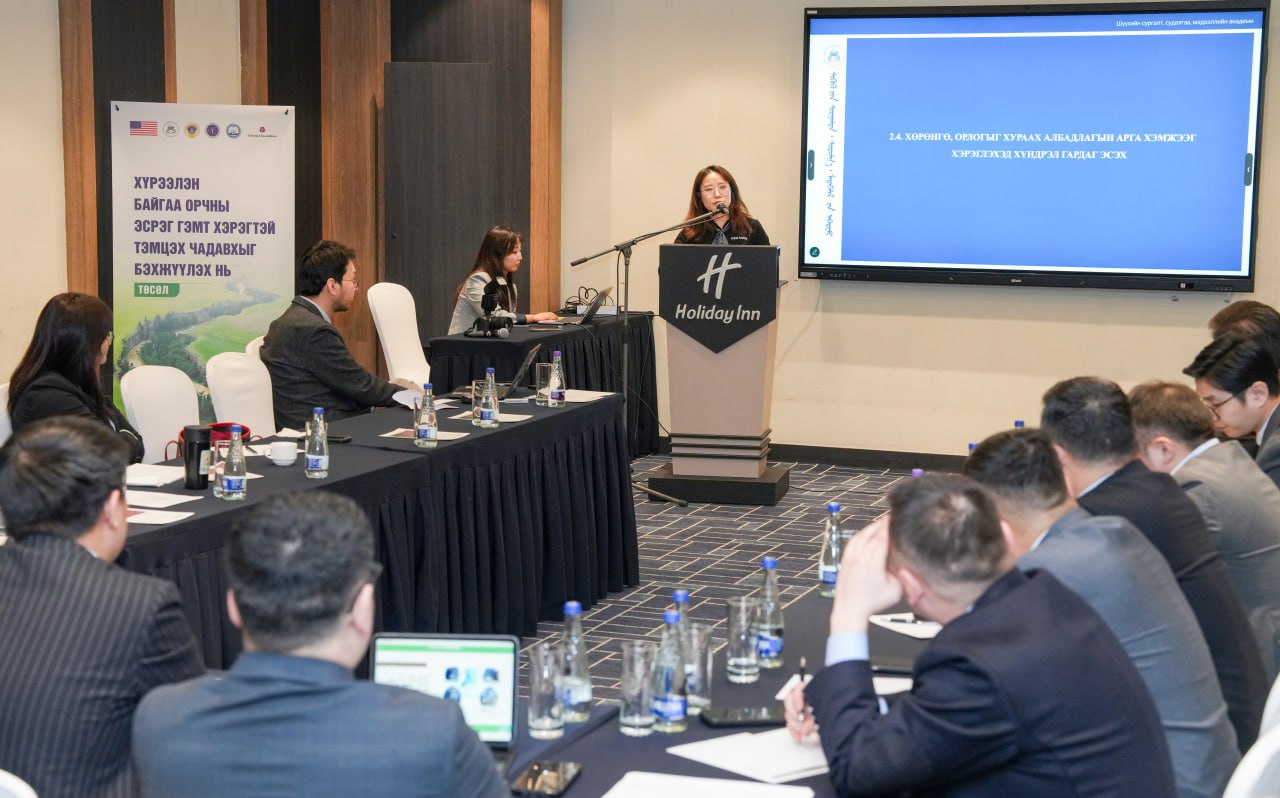
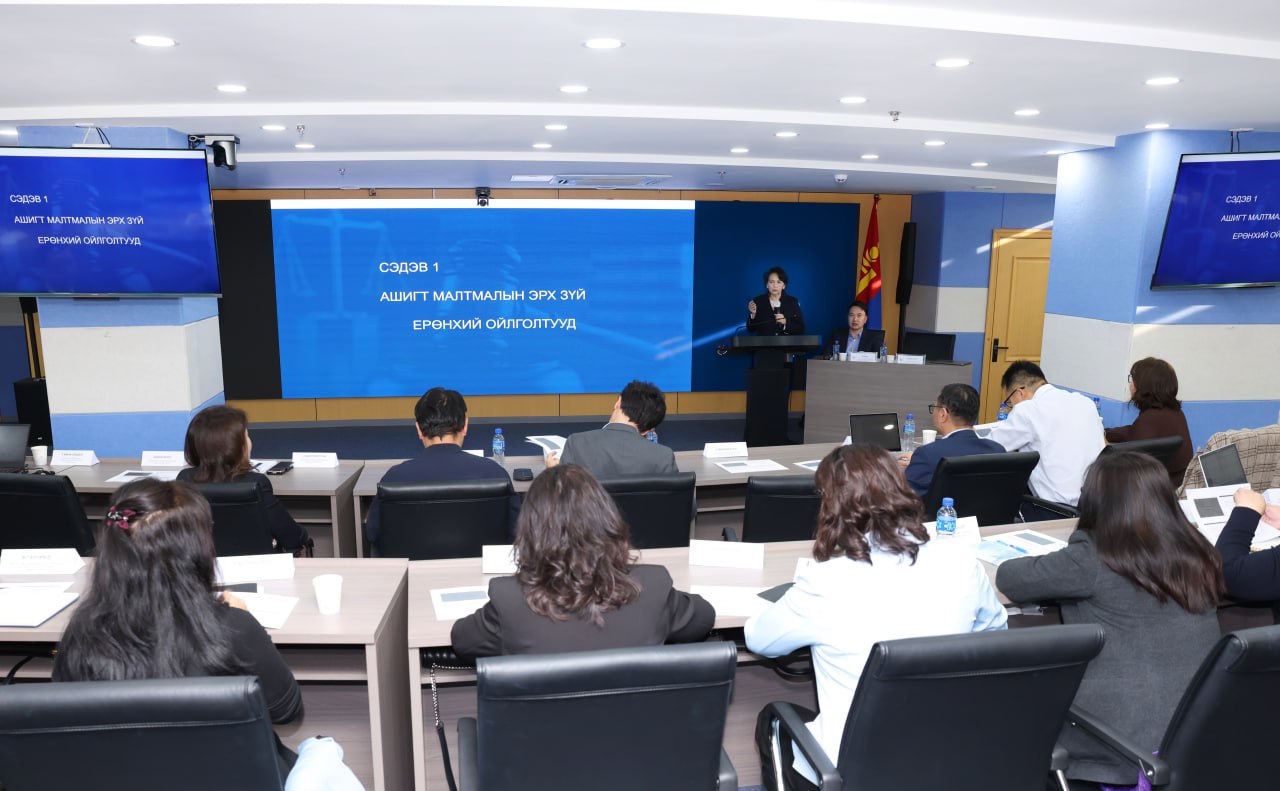
A discussion and preliminary presentation of the "Research on Determining Conditions and Training Needs for Combating Environmental Crimes and Violations" was held today (March 19, 2026). This project, aimed at strengthening Mongolia's capacity to combat environmental crimes, is funded by the U.S. Department of State’s Bureau of International Narcotics and Law Enforcement Affairs (INL). It is being implemented by the Rule of Law Collaborative (ROLC) at the University of South Carolina, in partnership with the Judicial Training, Research and Information Academy (JTRIA), the Office of the Prosecutor General, and the Ecological Police Department and The Asian Foundation. The project focuses on three core pillars: improving the legal framework, empowering officials, and enhancing technical equipment for crime detection.
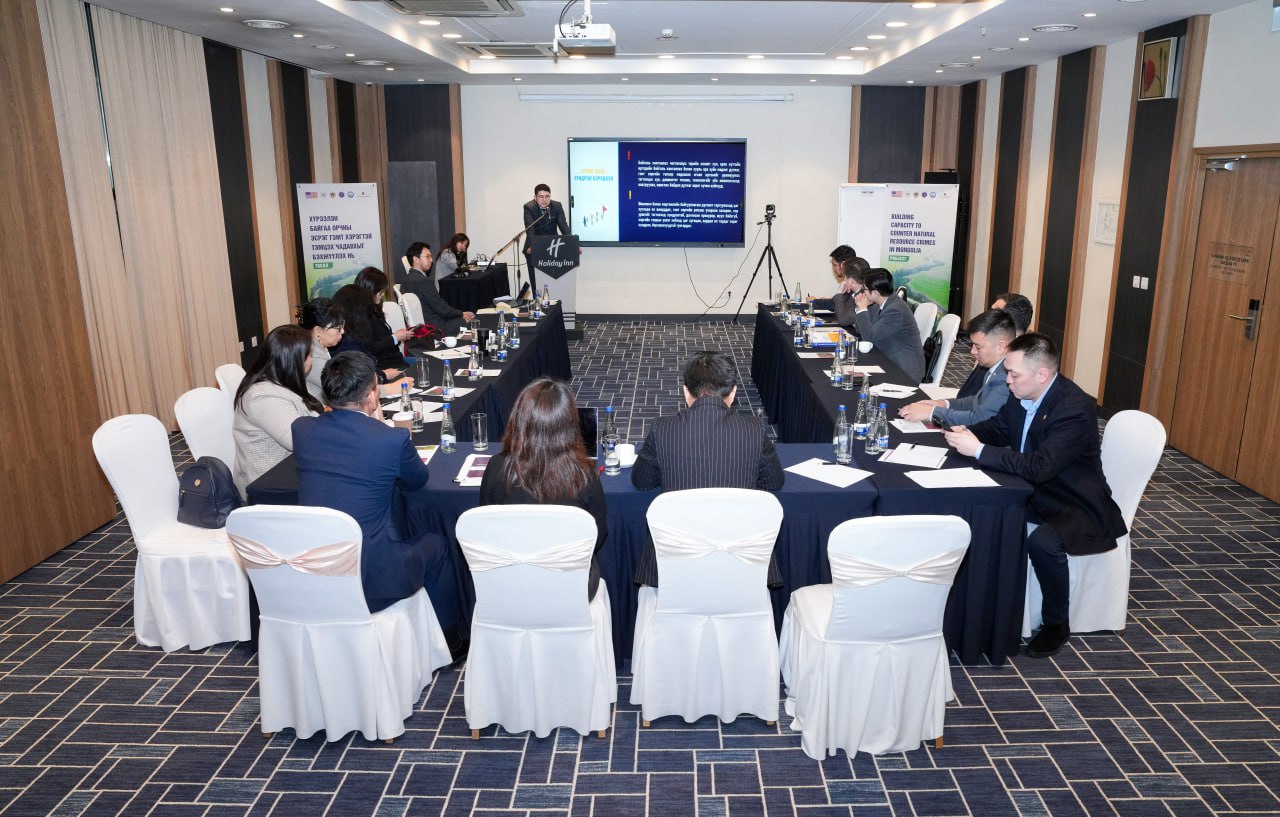
During the discussion, representatives from participating organizations presented the results of their research conducted at the judicial, prosecutorial, and police levels. E. Baasanbyamba, Head of the Criminal Law Sector of the JTRIA Research Center, presented findings based on a survey of judges. He highlighted the urgent need for training on legal application and the classification of crimes, specifically referencing Article 24.2 (Illegal search, exploration, and mining of minerals), Article 24.5 (Illegal hunting), and Article 24.6 (Illegal preparation of timber) of the Criminal Code of Mongolia. Furthermore, he emphasized the importance of enhancing skills in implementing compulsory measures for asset and income forfeiture, evaluating evidence, and developing methodologies for drafting judicial decisions.
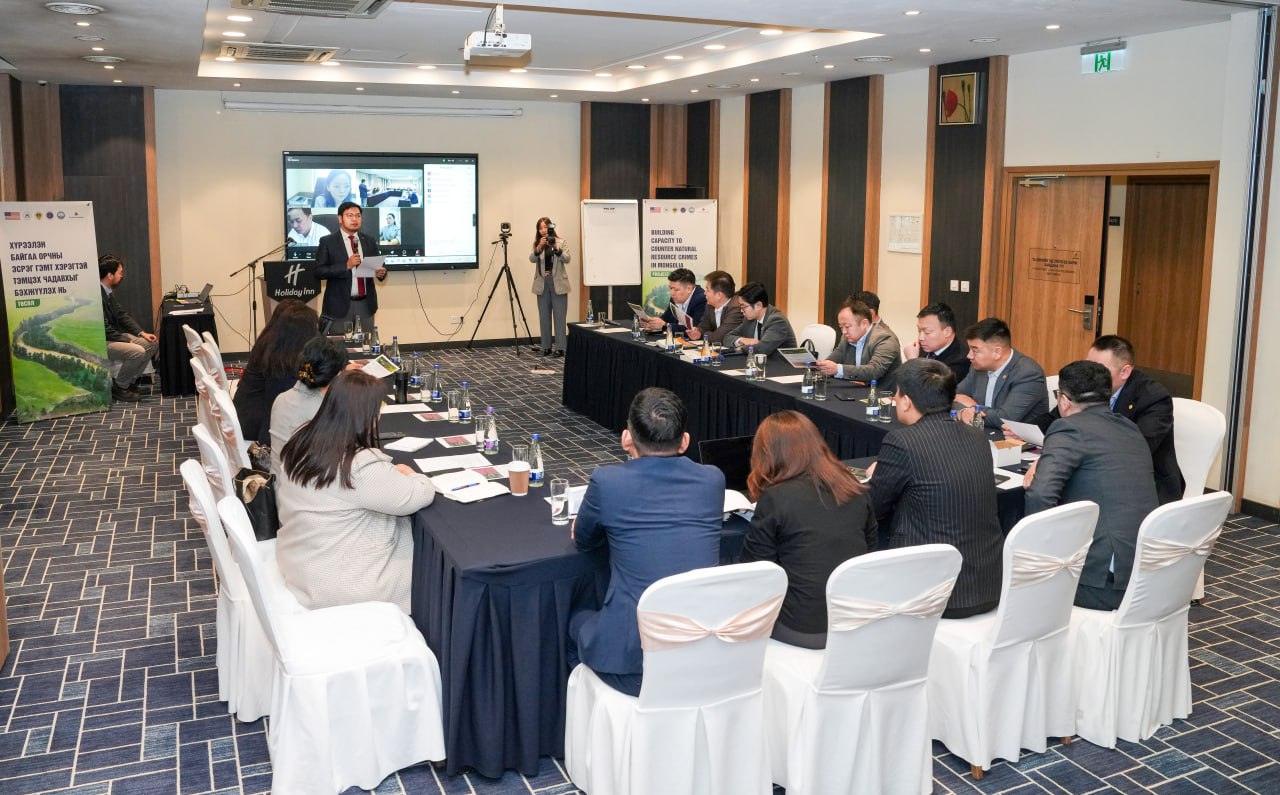
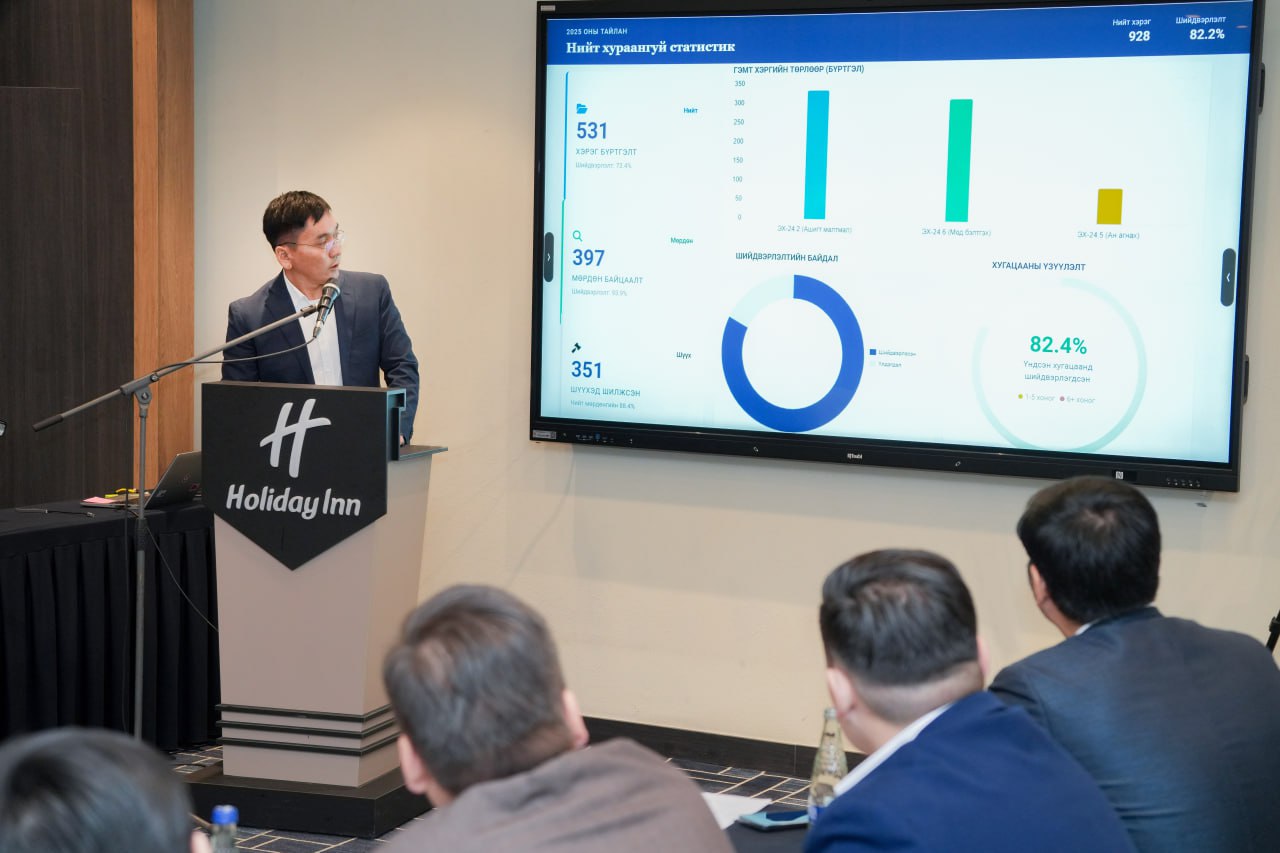
Additionally, M. Sansarsaikhan, Prosecutor at the Division for Oversight of Violations and Criminal Execution of the Ulaanbaatar City Prosecutor’s Office, and D. Khosbayar, Senior Specialist at the Administrative Management Department of the Ecological Police Department, presented their research findings. Their presentations outlined the current status of environmental crime resolution and identified the challenges and obstacles encountered during the detection and investigation of these types of crimes.
Within the project's framework, regional training sessions for prosecutors and police officers will commence this coming June. These sessions will be tailored to the specific types of crimes prevalent in each region, focusing on prevention and detection methodologies, and will be supported by specialized training manuals. Furthermore, the Judicial Training, Research and Information Academy will organize phased training programs to empower judges.
INFORMATION CENTER